Carretera Austral: The Raw Architecture of Chilean Glaciers
Navigating twelve hundred kilometers of gravel and glacial fjords in the remote Aysén territory of southern Chile.
Navigation
Lead Explorer
Dispatches and photography by Mateo Silva, Wilderness Specialist.
Chile's Route 7 does not conquer the Patagonian wilderness; it humbly negotiates with it. Beginning in Puerto Montt and terminating in Villa O'Higgins where the Southern Patagonian Ice Field makes further vehicular transit physically impossible, this ribbon of gravel threads through some of the planet's wildest temperate ecosystems.
Here, massive nalca leaves as large as umbrellas droop under persistent rains. Lichen hangs in silver beards from ancient coigüe and alerce trees—conifers that were already saplings when the Roman Colosseum was being constructed.
Water Bridges & Fjords
Travel along the northern sector cannot proceed without ferries. Drivers must time their journeys to small car-carrying vessels that cross fjords where dolphins breach against slate-grey currents. Aboard these ferries, fishermen in wool caps drink yerba mate from wooden gourds, sharing thermos water while snow petrels glide above the vessel's wake.
“The Carretera Austral dissolves our modern obsession with continuous movement. You wait for the ferry when the tides permit, not when your calendar dictates.”
This forced deceleration reshapes your internal rhythm. After three days on corrugated gravel (*ripio*), your knuckles relax on the steering wheel, and you begin noticing the subtle transitions in flora from dense rainforest to windswept subantarctic steppes.
Facing Ventisquero Colgante
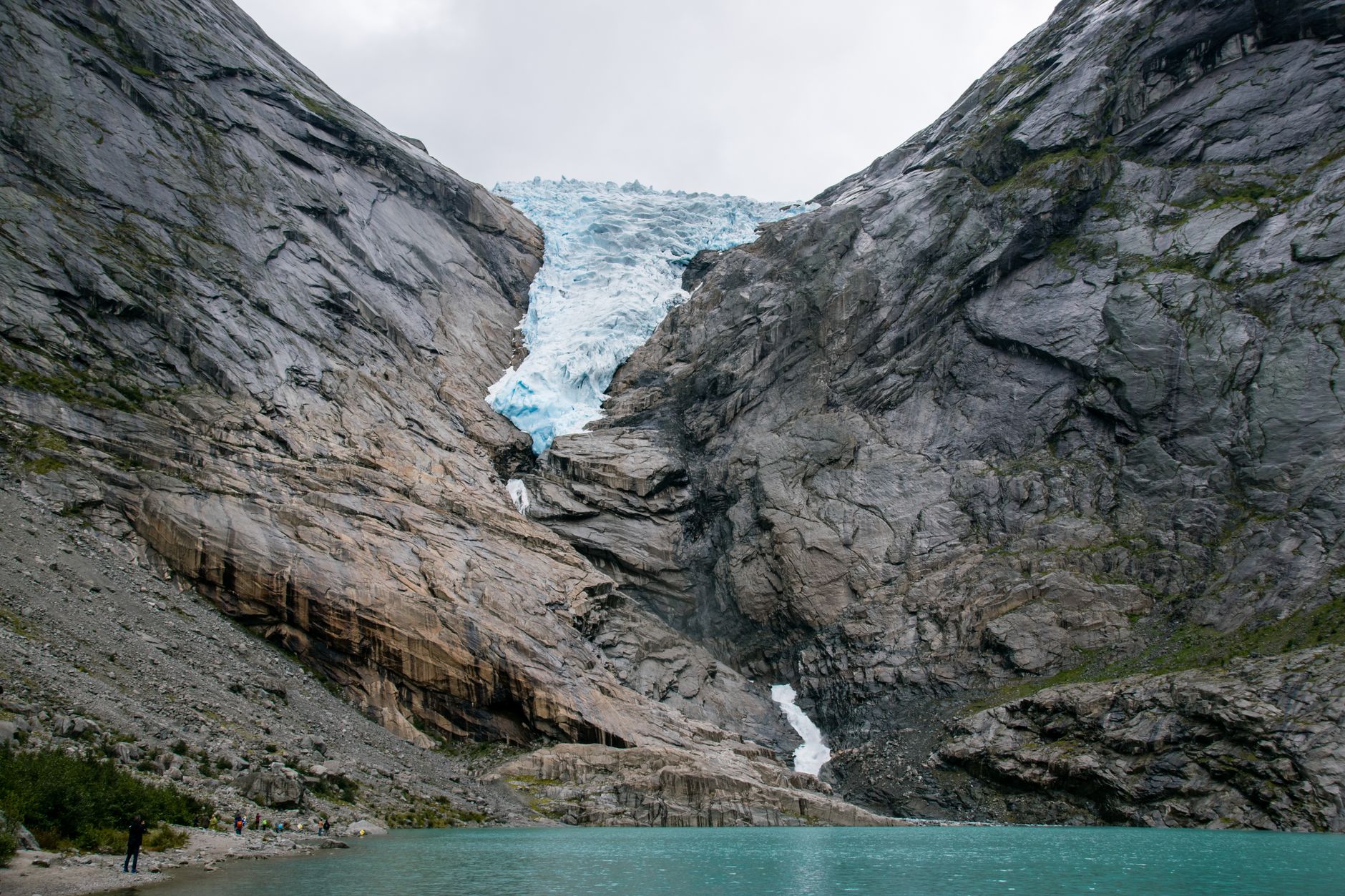
In Queulat National Park, an enormous hanging glacier sits wedged between two sheer granite walls. As glacial ice shifts under its immense weight, deep subterranean booms reverberate across the valley like artillery fire, followed by torrents of meltwater cascading six hundred meters into a milky glacial lagoon.
Expedition Realities
Undertaking this journey requires rigorous preparation. Fuel stations in settlements such as Puyuhuapi or Cochrane occasionally run dry while awaiting maritime supply barges. Always travel with auxiliary fuel canisters, two full-sized spare tires, a satellite communication transponder, and sufficient cash for regional ferry concessions.