The Silence of Kyoto's Hidden Rinzai Monasteries
Understanding how cedar walkways, precisely combed gravel, and asymmetric pine boughs cultivate sustained cognitive tranquility.
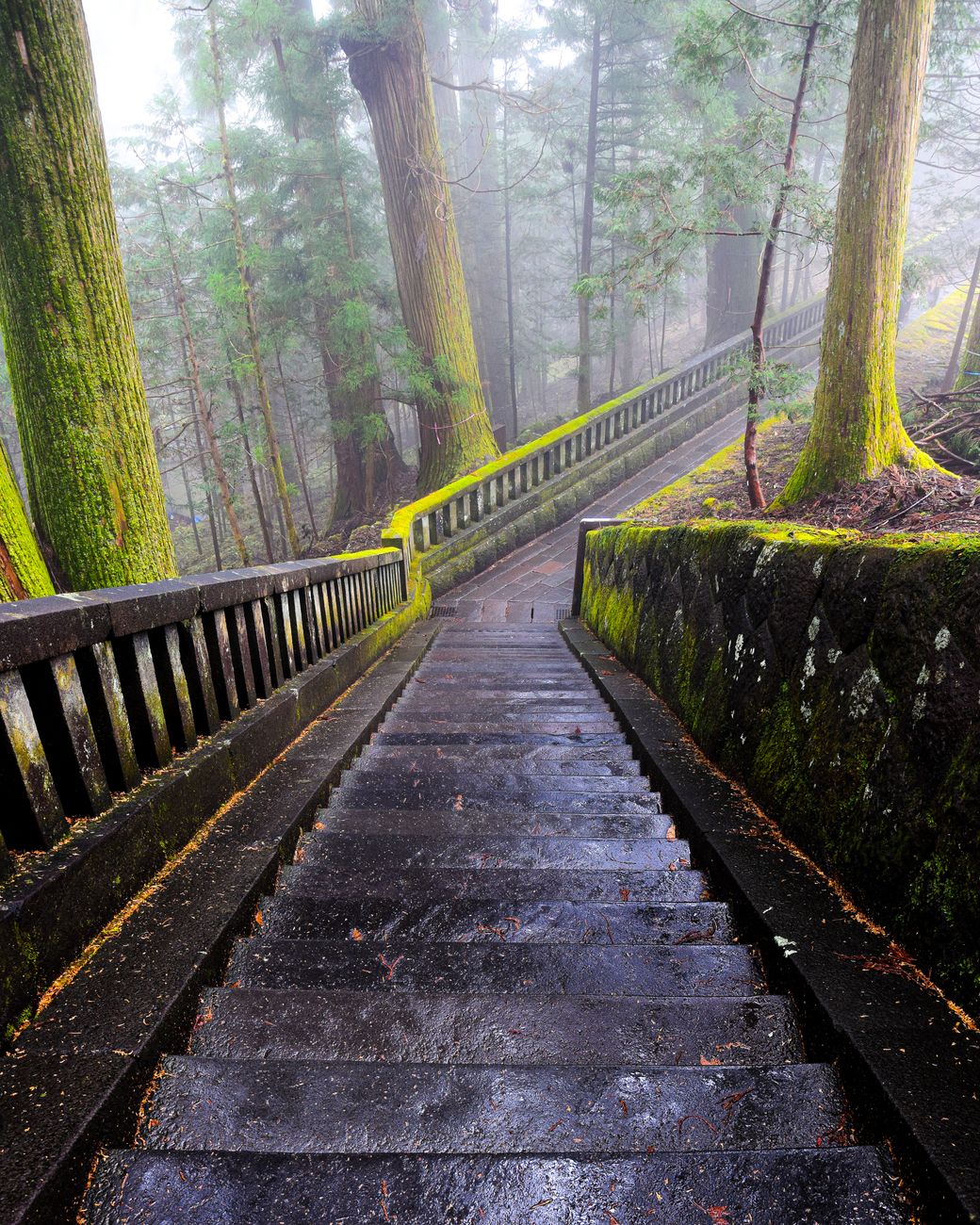
Table of Contents
Dispatches Desk
Text & Documentation by Nicholas Reed, Senior Asian Architecture Fellow.
At six o'clock in the morning, Kyoto's northern Kita-ku ward still sleeps under an autumn fog that rolls down from Mount Hiei. Beyond the white plaster walls of the Daitoku-ji compound, modern motor scooters hum faintly along the avenues, but as soon as your sandals cross the stone sill of Zuiho-in, all ambient industrial frequencies evaporate into the density of damp cedar needles.
Daitoku-ji is not a singular monolithic temple, but rather a walled city of twenty-two sub-temples founded in 1315 by Zen master Daito Kokushi. While tourists crowd Kinkaku-ji's gilded pavilions further west, these austere compounds remain largely deserted, occupied only by resident monks sweeping corridors with hand-bundled bamboo brooms.
Geometry of the Raked Sea
In the southern courtyard of Ryogen-in, designed during the Muromachi period, five meticulously placed stones emerge from raked granite gravel. Unlike Western formal gardens that demand symmetry, these stones exist in asymmetrical tension, representing islands rising above an ocean of clouds.
“The garden does not ask you to observe it as decoration; it demands you confront the space between yourself and the horizon.”
The raking of the gravel—a daily meditation practice called *samu*—is executed with wooden rakes before dawn. The lines remain crisp until rainfall softens their crests, embodying *mono no aware*, the acute sensitivity to impermanence that lies at the root of Japanese aesthetics.
Praising Low Light
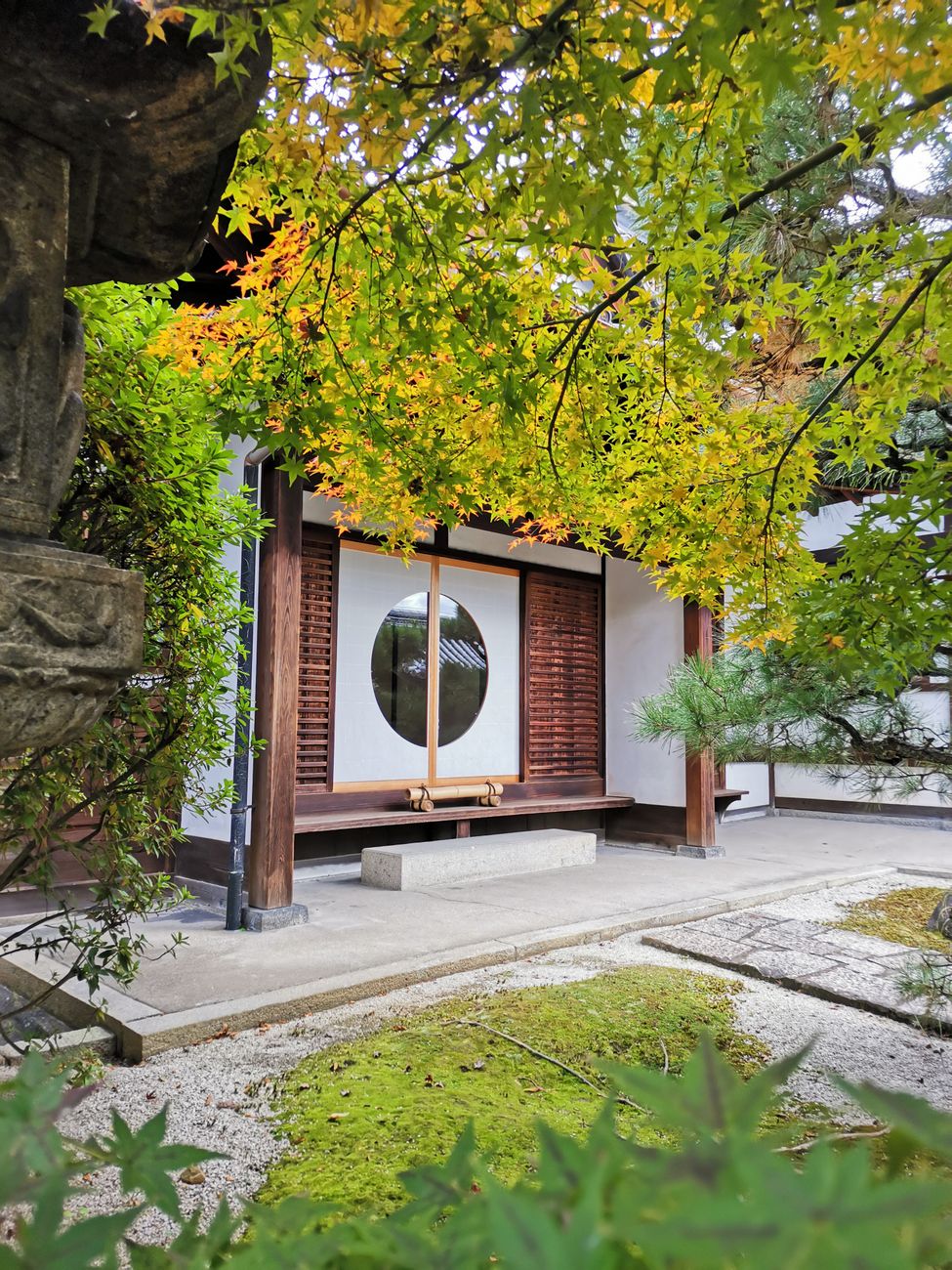
Inside the shoin rooms, no artificial illumination intrudes. Daylight enters strictly through translucent washi-paper screens (*shoji*), diffusing across aged tatami mats. In his seminal essay *In Praise of Shadows*, Jun'ichiro Tanizaki noted that Japanese beauty does not reside in the object itself, but in the subtle gradients of shade that objects cast against one another.
Protocol for Mindful Entry
Should you choose to visit these sanctuaries, honor their contemplative purpose. Speak in subdued tones, remove shoes at the genkan without touching your socks to the outer stone, and abstain from shutter-clicks in prayer chambers. The monasteries offer not a performance, but an invitation to breathe.